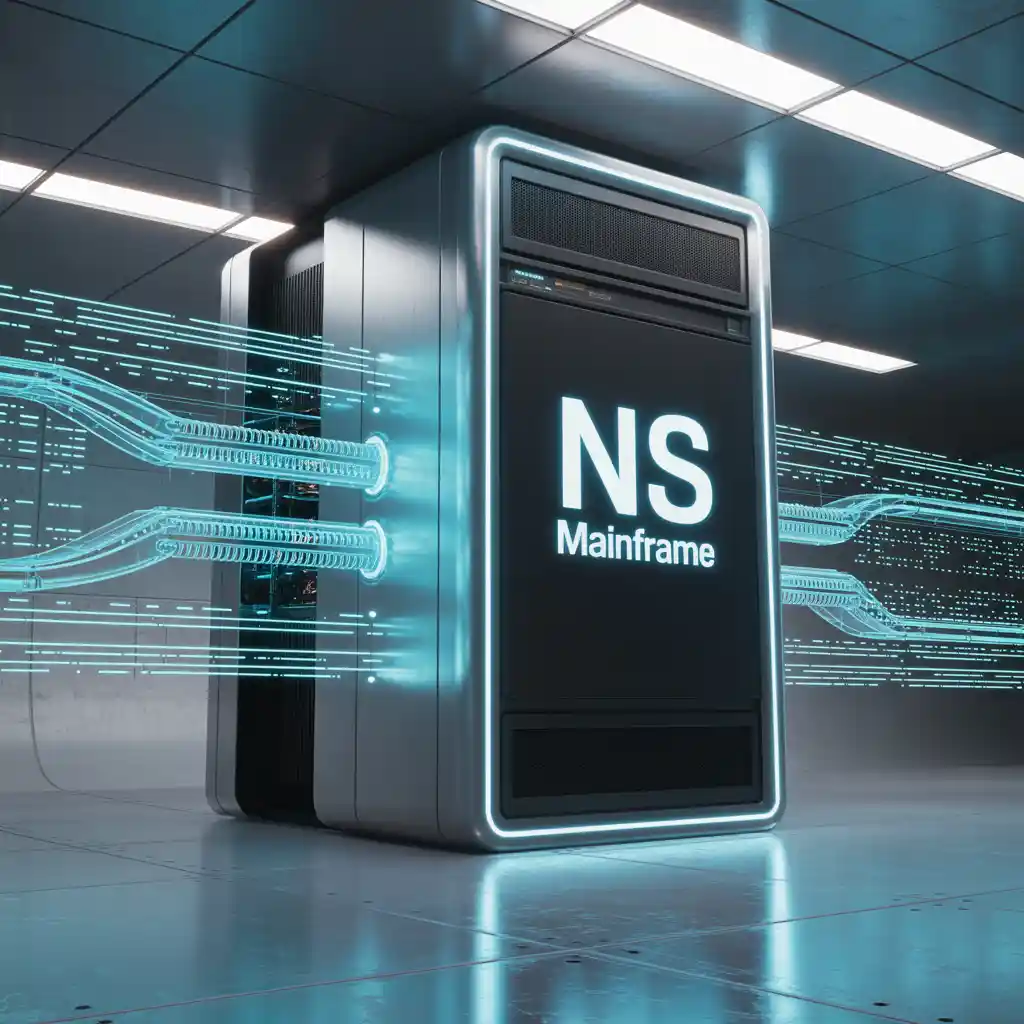
In the era of cloud computing, distributed systems, and edge devices, the mainframe might seem like a relic of the past. Yet, for critical industries that rely on seamless, large-scale operations—such as finance, healthcare, government, and transportation—mainframes remain the backbone of enterprise computing. The NS Mainframe is one such system: a powerful, centralized computer infrastructure that drives efficiency, reliability, and innovation in large-scale transportation activities.
This article delves into the history, features, advantages, and applications of the NS Mainframe. It also explores how this system supports modern transportation networks, why it continues to be indispensable, and what its future role might look like in an increasingly digitized world.
What is the NS Mainframe?
The NS Mainframe refers to a centralized computing system designed to handle the complexities of transportation networks. “NS” here can be interpreted as relating to “National Systems” or “Networked Systems” in transportation, underscoring its focus on scale and integration. Unlike standard servers or distributed systems, a mainframe emphasizes:
- Massive Transaction Processing: Handling thousands, even millions, of operations per second.
- Centralized Data Management: Offering a single source of truth for all operational and logistical data.
- High Reliability: Designed for continuous uptime, ensuring mission-critical systems remain online.
- Scalability: Supporting growth in both users and workload without performance loss.
For transportation providers, this means that scheduling, routing, customer management, ticketing, and maintenance planning can all run on one powerful and integrated system.
Historical Context of Mainframes in Transportation
Mainframes first emerged in the 1950s and 1960s, serving as the computing foundation for large organizations. In transportation, early adoption focused on:
- Railways: Managing timetables, cargo, and passenger reservations.
- Airlines: Processing bookings, flight schedules, and crew assignments.
- Public Transit Systems: Coordinating buses, trams, and metro services.
The NS Mainframe builds upon this legacy, evolving with new technologies to integrate real-time analytics, digital ticketing, and IoT-enabled devices, all while preserving the resilience that mainframes are famous for.
Core Features of the NS Mainframe
- High-Speed Processing
The NS Mainframe is capable of processing massive amounts of data with minimal latency. This is critical in transportation, where delays in data flow can translate into real-world disruptions. - Reliability and Uptime
Transportation networks cannot afford downtime. The NS Mainframe delivers near-constant availability, often measured in “five nines” reliability (99.999%). - Centralized Data Control
All transportation activities—from ticket reservations to freight logistics—are managed in one system, ensuring consistent, accurate data. - Scalability
As populations grow and demand for transport increases, the NS Mainframe can seamlessly scale to accommodate more users and larger datasets. - Security
With advanced encryption and layered access control, the NS Mainframe protects sensitive data such as passenger details, payment information, and operational blueprints. - Integration Capabilities
The system integrates with IoT devices, mobile apps, and cloud systems, bridging traditional infrastructure with modern digital ecosystems.
Applications of the NS Mainframe in Transportation
- Passenger Services
- Ticketing systems that process millions of transactions daily.
- Real-time scheduling updates accessible via mobile apps.
- Seamless integration with smart cards and digital payment platforms.
- Freight Management
- Tracking shipments across rail, road, air, and sea.
- Optimizing cargo distribution routes.
- Automating customs and compliance paperwork.
- Operations and Scheduling
- Coordinating trains, buses, and planes for efficiency.
- Managing crew assignments and ensuring regulatory compliance.
- Reducing congestion and optimizing flow in transportation hubs.
- Maintenance and Safety
- Monitoring vehicles and infrastructure through predictive maintenance.
- Automating safety checks and regulatory reporting.
- Leveraging sensor data to predict and prevent breakdowns.
- Data Analytics and Forecasting
- Using historical and real-time data to forecast passenger demand.
- Planning infrastructure investments and expansions.
- Improving sustainability by reducing fuel consumption and optimizing routes.
Benefits of Using the NS Mainframe
- Efficiency
The system ensures smooth, large-scale operations, reducing delays and improving service reliability. - Customer Satisfaction
Passengers benefit from accurate schedules, real-time updates, and faster service. - Cost Savings
Centralization reduces redundancy and lowers IT maintenance costs. Predictive maintenance reduces unexpected breakdowns and downtime. - Safety and Compliance
Automated processes ensure compliance with industry and government regulations, enhancing safety. - Future-Proofing
With adaptability built in, the NS Mainframe can evolve to integrate emerging technologies like AI, blockchain, and advanced IoT.
Challenges and Criticisms
Despite its strengths, the NS Mainframe is not without challenges:
- Perceived Obsolescence: Some view mainframes as outdated compared to distributed or cloud solutions.
- Specialized Skills Required: Fewer IT professionals are trained in mainframe operation, creating a skills gap.
- High Initial Costs: While cost-efficient in the long run, the initial investment in mainframe infrastructure can be high.
- Integration Complexity: Modernizing legacy systems and integrating them with digital platforms requires careful planning.
Case Study: Rail Networks
Consider a national railway operator running thousands of trains daily. Without a centralized system like the NS Mainframe, it would be nearly impossible to:
- Coordinate schedules across hundreds of stations.
- Process millions of passenger ticketing transactions.
- Monitor infrastructure health in real time.
- Provide passengers with accurate mobile updates.
The NS Mainframe serves as the “brain” of the network, ensuring every piece functions in harmony.
Future of the NS Mainframe in Transportation
The NS Mainframe is not just surviving in the modern era—it’s evolving. Its future will likely involve:
- Cloud Hybridization
Combining the power of centralized mainframes with the flexibility of cloud systems for enhanced agility. - Artificial Intelligence Integration
AI-driven analytics will make transportation smarter, predicting demand, detecting anomalies, and automating responses. - Sustainability Enhancements
Data from the NS Mainframe can guide eco-friendly practices, such as reducing energy consumption and optimizing fuel use. - IoT Expansion
More sensors on vehicles and infrastructure will feed real-time data to the mainframe, enhancing decision-making. - Improved Passenger Experience
As digital tools advance, mainframes will continue to integrate with apps, wearables, and AI assistants to deliver smoother travel experiences.
Why the NS Mainframe Still Matters
In a world dominated by buzzwords like “cloud-native” and “microservices,” the NS Mainframe remains indispensable because:
- Transportation requires stability and resilience, not just innovation.
- Few systems can match a mainframe’s ability to process massive workloads reliably.
- The cost of downtime in transportation—missed flights, delayed trains, stranded passengers—is far too high.
In short, while many industries can afford to experiment with fragmented systems, transportation relies on the reliability and scale that only a mainframe can provide.
Conclusion
The NS Mainframe stands as a cornerstone of modern transportation. Far from being obsolete, it combines decades of proven reliability with the flexibility to embrace new technologies. By powering everything from passenger services to freight logistics, it ensures that the transportation sector remains efficient, safe, and future-ready.
As demand for transportation grows in an interconnected world, the NS Mainframe will continue to evolve—bridging legacy resilience with cutting-edge innovation. Its role is not just about processing data; it is about enabling journeys, connecting people, and moving economies forward.
About the Author