
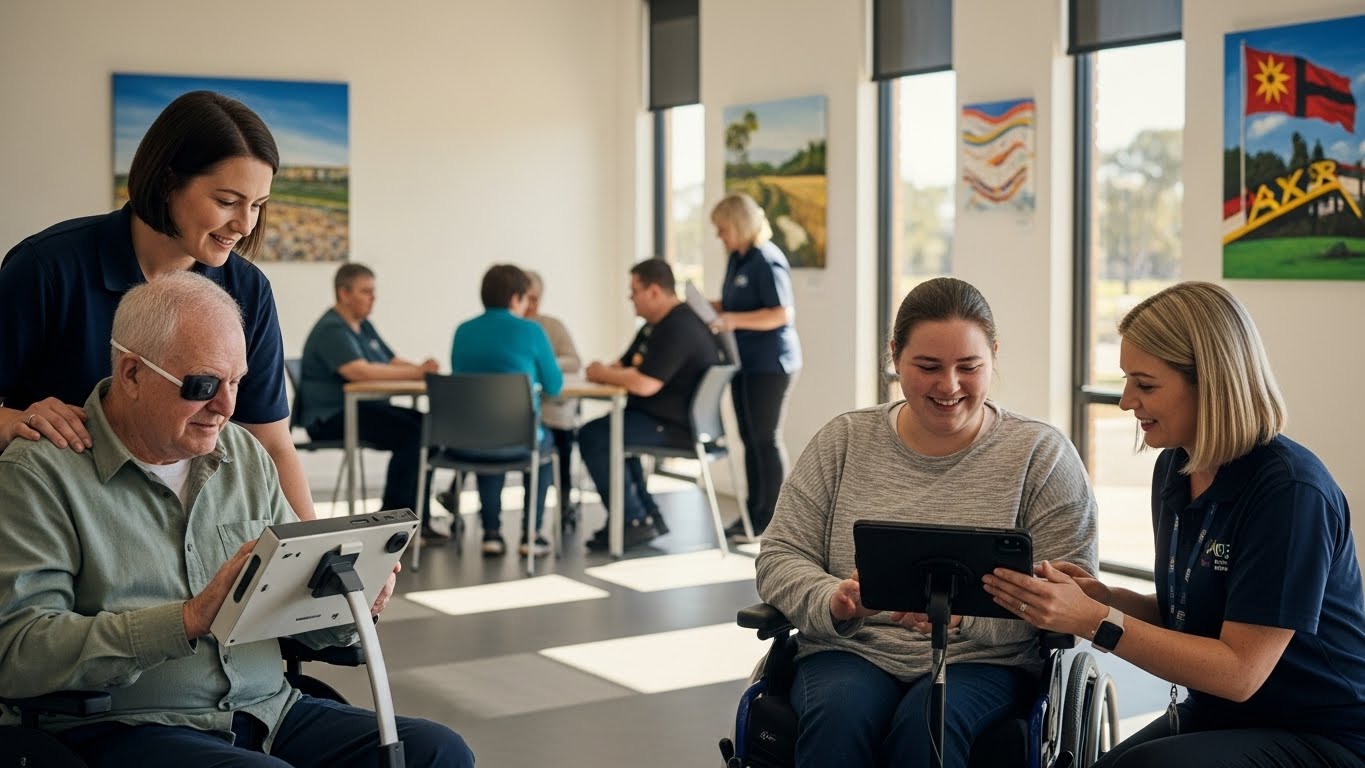
Spend a little time in Ballarat and you’ll notice something different about the way people connect here. It has that familiar regional warmth, but also the pace of a place that’s quietly expanding. New families moving in. New services popping up. New support networks forming. Somewhere inside all that growth, the landscape of NDIS in Ballarat has been shifting too. Not loudly. More like a steady, patient build over the last few years.
You hear it in conversations. Families talking about shorter wait times. Participants saying they finally found a therapist close to home. Support coordinators mentioning how much easier it is to match someone with the right provider now compared to a few years ago. It’s subtle, but it’s happening.
So let’s walk through why NDIS in Ballarat has started to feel more accessible and more community driven than ever.
Ballarat’s Mix Of Regional Calm And City Convenience
There aren’t many places where you get both space and services in the same package. Ballarat sits in that sweet spot. Close enough to Melbourne for specialist access, but far enough to keep its own identity and rhythm. For people navigating NDIS in Ballarat, this balance matters. It means shorter drives. Less road stress. A calmer environment for appointments. And still enough infrastructure to support complex needs.
Participants tell me all the time that Ballarat just feels easier to live in. Not because everything is perfect, but because the pace aligns with real life. Not rushed, not chaotic. Just steady.
Allied Health Is Growing Faster Than People Think
One of the biggest changes is the number of therapists choosing to work in Ballarat now. OTs, speech therapists, physios, psychologists. Years ago, getting an appointment meant waiting months. Sometimes longer. But with demand rising, more providers are setting up local clinics and mobile services.
This shift has made NDIS in Ballarat far more responsive. Participants are getting early intervention supports sooner. Kids aren’t waiting as long for assessments. Adults can access regular therapy without long travel times.
It’s small wins that add up.
Support Coordination With Real Local Knowledge
Support coordinators are often the glue in someone’s NDIS journey. And the coordinators working across Ballarat have something special. Local knowledge. Not just from a map, but from actually living and working in the region.
They know which therapists are taking new clients. Which community hubs are genuinely inclusive. Which transport routes are easiest. Which providers communicate well. And which ones… need a bit of chasing.
This local awareness shapes NDIS in Ballarat in ways that don’t always show up in reports but absolutely show up in people’s lives.
Community Participation Actually Feels Like Community
In bigger cities, community participation sometimes feels like just ticking a box. But in Ballarat, there’s a sense of familiarity in the programs. Art groups. Sports groups. Social outings. Nature walks. Even simple catch ups at the lake.
Participants say it feels more genuine. Less crowded. Less overwhelming. And because NDIS in Ballarat is woven into everyday community spaces, people feel more included without being pushed into unfamiliar environments.
The lake, in particular, has become one of those spots where support workers and participants naturally spend time. Not for therapy. Just for life.
Ballarat Families Value Long-Term Supports
Something unique about the region is that families tend to think long term. They’re not looking for short, quick-fix services. They want stable relationships between participants and their providers.
NDIS in Ballarat supports this style of care because many providers stay local. They’re invested. They know the families. And they often work with the same participant for years. That continuity builds trust, which is critical for people with psychosocial needs or complex disabilities.
It feels less transactional. More grounded.
Access To Nursing And Complex Care Is Improving
One area people rarely talk about is clinical support. But NDIS in Ballarat has seen a noticeable increase in community nursing options. Wound care, medication management, diabetes support, continence care, home assessments. Participants who once had to rely heavily on hospital visits now have more in-home choices.
This change has eased pressure on families, especially those supporting older participants or individuals with high clinical needs. Fewer hospital trips. Fewer long waits. More help at home.
Transport Isn’t Perfect, But It’s Manageable
Ballarat’s public transport isn’t huge, but for NDIS participants it’s workable. Buses cover most key areas. Taxis and wheelchair-accessible vehicles are more available now. And many support workers drive participants to appointments anyway.
People using NDIS in Ballarat say transport feels easier than in some larger suburbs where traffic becomes its own obstacle. Here, the roads are predictable. Quiet enough to reduce anxiety. And easy enough for support workers to navigate.
Providers Are Collaborating More Than Competing
A surprising shift is the amount of cross-provider communication happening. In some regions, providers work in silos. But in Ballarat, you’ll often see therapists, support coordinators, and community programs sharing knowledge.
It’s not about competing. It’s about making sure the participant doesn’t fall through gaps. Collaboration helps NDIS in Ballarat feel more connected. More united.
A Final Thought
Ballarat isn’t trying to reinvent disability support. It’s just quietly improving what it already has. A blend of community warmth, growing services, local knowledge, and steady development has created a place where NDIS in Ballarat from Matrix Health Care actually feels approachable.
Participants aren’t just receiving support. They’re living in a region that grows alongside them. Slowly. Comfortably. With room to breathe. And for many families, that’s exactly what they were hoping to find.
About the Author