IP2 Network
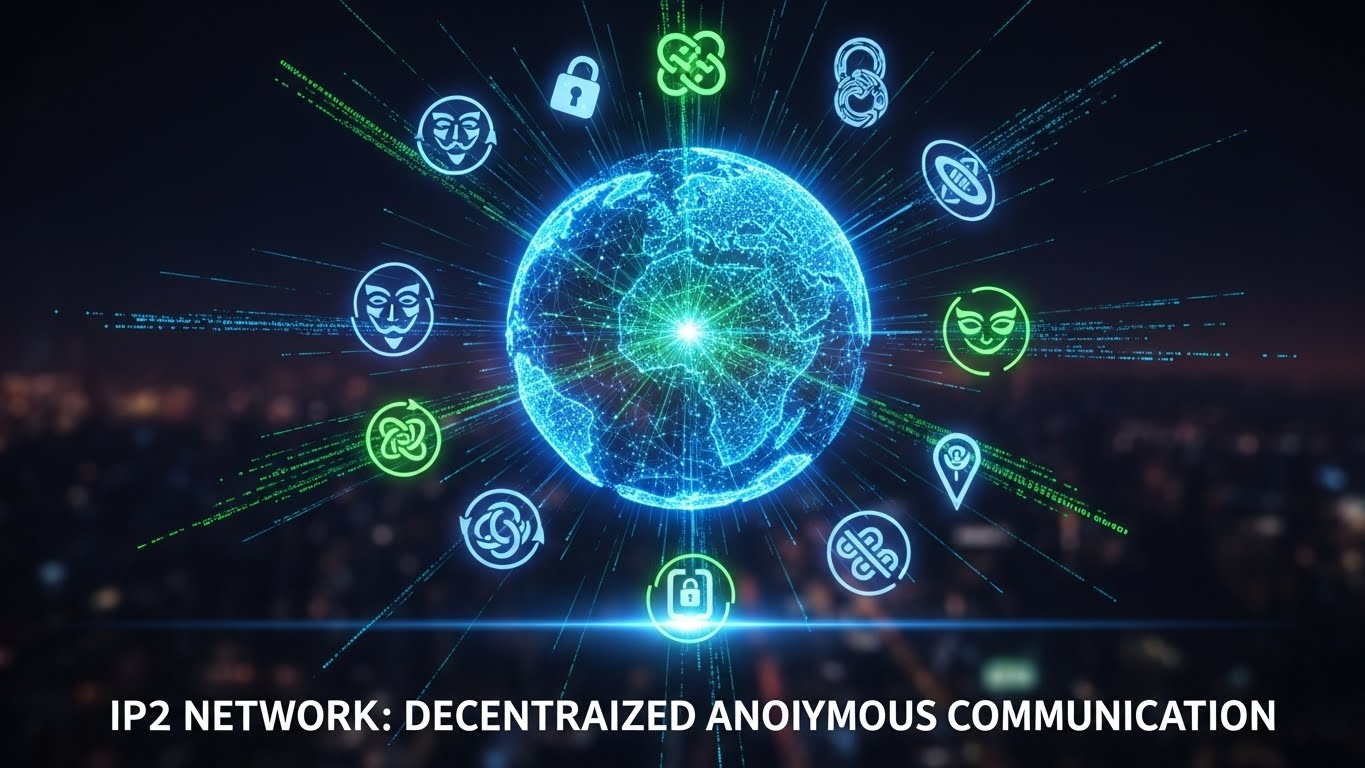
In today’s digital age, privacy and security are becoming increasingly critical. With growing concerns over surveillance, data breaches, and censorship, users are seeking ways to communicate and share information securely. One technology that has emerged to address these needs is the IP2 Network, a decentralized, peer-to-peer network that enables anonymous and censorship-resistant communication. Often associated with the Invisible Internet Project (I2P), the IP2 Network provides a privacy-focused overlay to the regular internet, allowing users to maintain confidentiality while interacting online.
Understanding the IP2 Network
The IP2 Network is designed to provide anonymity and privacy for its users. Unlike traditional internet communication, which routes traffic through centralized servers, the IP2 Network relies on a distributed network of volunteer-operated nodes. Each participant contributes by running a router, which helps route encrypted messages across the network. This decentralized architecture eliminates single points of failure, making the network resistant to censorship, surveillance, and interference from authorities or malicious actors.
At its core, the IP2 Network uses advanced encryption techniques and multiple layers of routing to hide the identities of both senders and receivers. Messages are split into small encrypted packets and sent through a series of randomly selected nodes, making it virtually impossible to trace communications back to their source. This approach is similar to the Tor network in principle but differs in its implementation and focus on internal network services.
How the IP2 Network Works
The IP2 Network operates as a layered overlay on the existing internet infrastructure. Each user installs a router, which becomes part of the network. This router handles both sending and receiving traffic, ensuring that data is never transmitted directly between two endpoints without being encrypted and anonymized. The network uses what is known as garlic routing, a method where multiple messages are bundled together into a single encrypted packet, further obfuscating the traffic and enhancing privacy.
One of the key features of the IP2 Network is that it is self-organizing. As new users join, they automatically integrate into the network, contributing to its overall robustness. The network maintains a distributed database of active peers, allowing routers to discover paths to send messages efficiently. This distributed design ensures that no single entity controls the network, reducing the risk of censorship or surveillance.
Applications of the IP2 Network
The IP2 Network is versatile and can support a wide range of applications, particularly those requiring strong privacy guarantees. Some of the notable use cases include:
-
Anonymous Communication: Users can exchange messages without revealing their identities. This is valuable for whistleblowers, journalists, and activists operating in regions with strict censorship.
-
Secure File Sharing: Files can be shared across the network without fear of interception or tracking. This makes the IP2 Network a popular choice for privacy-conscious individuals seeking to share sensitive documents or media.
-
Hidden Services: Similar to Tor’s hidden services, the IP2 Network allows users to host websites or applications that are accessible only within the network. These services can provide forums, marketplaces, and messaging platforms while keeping both the provider and users anonymous.
-
Decentralized Applications: Developers can build applications that leverage the network’s anonymity and encryption to create privacy-focused tools for social networking, collaboration, and more.
Advantages of the IP2 Network
The IP2 Network offers several distinct advantages over traditional internet communication:
-
Enhanced Privacy: By encrypting all traffic and routing it through multiple nodes, the network conceals the identities of users, making it difficult for third parties to track online activities.
-
Censorship Resistance: Because there is no central authority controlling the network, it is extremely difficult for governments or organizations to block access or take down services.
-
Decentralization: The distributed nature of the network means that there is no single point of failure, increasing reliability and resilience against attacks.
-
Open Participation: Anyone can join the network and contribute by running a router, creating a community-driven ecosystem that grows stronger as more users participate.
Challenges and Limitations
While the IP2 Network provides strong privacy protections, it is not without challenges. Some of the limitations include:
-
Performance: Due to the multiple layers of encryption and routing through many nodes, communication on the IP2 Network can be slower than traditional internet connections.
-
Complexity: Setting up and maintaining a router may be challenging for non-technical users, although improvements in software are gradually making it more accessible.
-
Illegal Use: As with any anonymous network, the IP2 Network can be exploited for illegal activities. While this is not the network’s intent, it is a consideration for regulators and the broader public.
Comparison with Other Networks
The IP2 Network is often compared to other privacy-focused networks like Tor. While both provide anonymity, there are key differences:
-
Routing Method: IP2 uses garlic routing, which bundles multiple messages together, whereas Tor uses onion routing, encrypting each message individually as it passes through nodes.
-
Internal Services: The IP2 Network emphasizes hidden services and internal applications, whereas Tor is primarily used for anonymizing access to the regular internet.
-
Decentralization: Both networks are decentralized, but IP2 is specifically designed to be a self-organizing network with volunteer-operated routers forming the backbone.
Future of the IP2 Network
The future of the IP2 Network is promising, particularly as concerns about privacy, surveillance, and data security continue to grow. Researchers and developers are continually working to improve network performance, user experience, and accessibility. As more individuals and organizations prioritize digital privacy, networks like IP2 are likely to play an increasingly important role in shaping a secure and anonymous internet ecosystem.
The IP2 Network also represents a broader shift toward decentralized systems, where control is distributed among participants rather than concentrated in centralized authorities. This trend aligns with the growing interest in decentralized finance (DeFi), blockchain technologies, and peer-to-peer applications, all of which emphasize autonomy, privacy, and resilience.
Conclusion
The IP2 Network offers a powerful solution for those seeking anonymous and secure online communication. By leveraging decentralized architecture, encrypted tunnels, and volunteer-operated routers, it enables users to communicate, share files, and host services without fear of surveillance or censorship. While challenges remain, the network’s commitment to privacy and decentralization makes it a vital tool in the digital age, empowering individuals to reclaim control over their online presence.
As the internet continues to evolve, the IP2 Network stands as a reminder that privacy and freedom in communication are achievable—and that with the right technology, users can connect safely and securely without compromising their identities.
About the Author