Crocolini
In the ever-evolving world of vegetables, innovation has led to some remarkable hybrids that combine taste, nutrition, and versatility. One such exciting creation is Crocolini, a unique hybrid that merges the best qualities of broccoli and kale. Known for its tender stems, small florets, and slightly sweet flavor, Crocolini is capturing the attention of chefs, home cooks, and health enthusiasts alike. This article delves deep into what Crocolini is, its nutritional benefits, culinary uses, and why it deserves a place in your kitchen.
What is Crocolini?
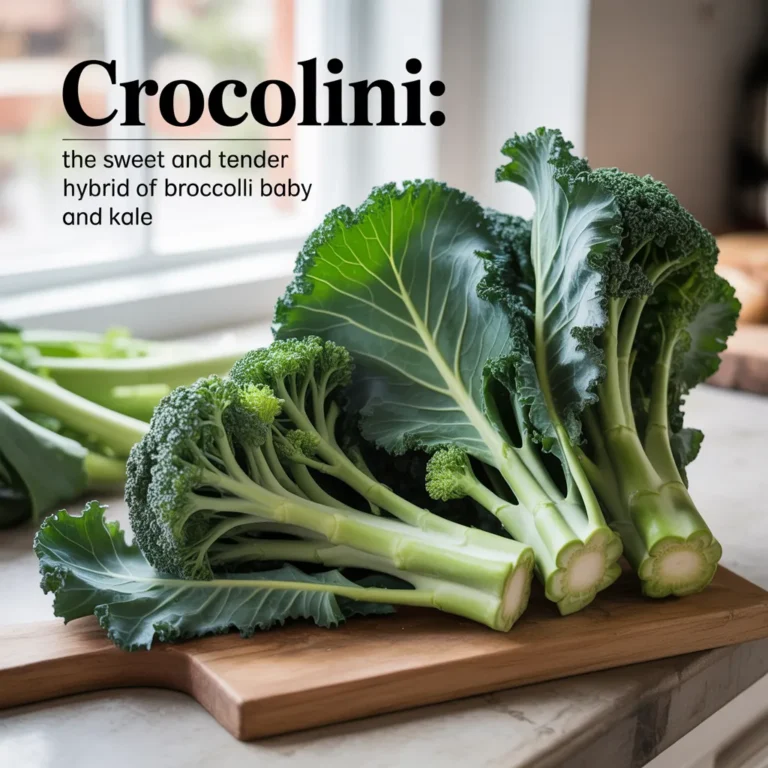
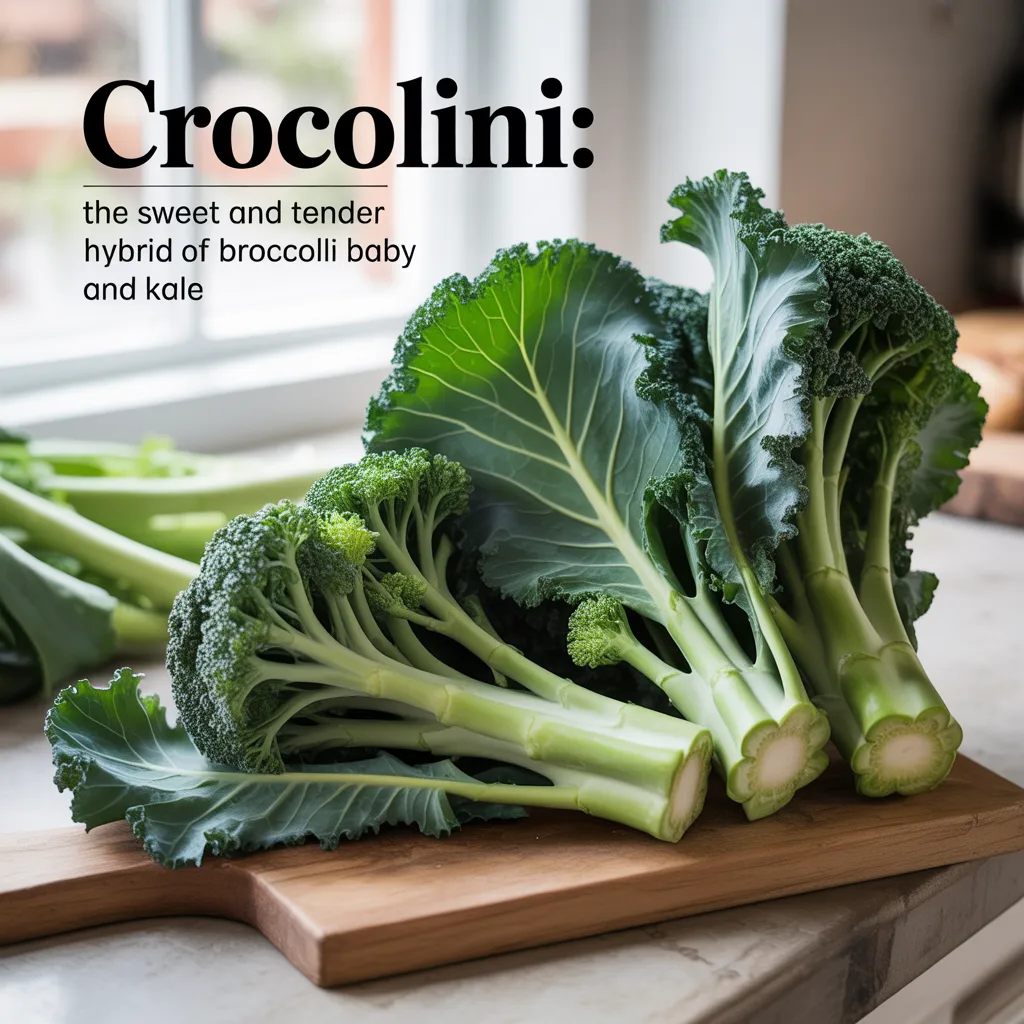
Crocolini is a hybrid vegetable developed by crossing broccoli with kale. Unlike traditional broccoli, Crocolini features thinner, more tender stems and smaller, tightly packed florets. Its texture is delicate, yet it retains a pleasant crunch when cooked lightly. While broccoli offers a mild, earthy taste, Crocolini adds a hint of sweetness that is reminiscent of kale’s subtle, nutty flavor.
The hybridization process was designed to combine the nutritional density of kale with the culinary versatility of broccoli. The result is a vegetable that is easier to cook evenly, more appealing in raw preparations, and flavorful enough to stand out in a wide range of dishes.
Nutritional Benefits of Crocolini
Crocolini isn’t just a feast for the taste buds—it’s also a powerhouse of nutrition. Both broccoli and kale are considered superfoods, packed with vitamins, minerals, and antioxidants, and Crocolini inherits these benefits in abundance.
-
Rich in Vitamins: Crocolini is loaded with vitamin C, which is essential for immune support, skin health, and antioxidant protection. It also contains vitamin K, crucial for bone health and proper blood clotting, as well as vitamin A, which supports vision and cellular health.
-
High in Fiber: Like its parent vegetables, Crocolini is a good source of dietary fiber. Fiber aids in digestion, helps maintain healthy cholesterol levels, and supports satiety, making it an excellent choice for weight management.
-
Antioxidants and Phytonutrients: The vegetable is rich in antioxidants such as lutein and zeaxanthin, which are known for their eye-protective properties. Additionally, Crocolini contains glucosinolates, compounds found in cruciferous vegetables that have been linked to reduced inflammation and potential cancer-preventive effects.
-
Low in Calories: With a naturally low calorie count, Crocolini is ideal for those seeking nutrient-dense, low-calorie foods without sacrificing flavor or satisfaction.
Culinary Uses of Crocolini
One of the most appealing aspects of Crocolini is its versatility in the kitchen. Its tender stems mean it cooks faster than traditional broccoli, while its small florets can be enjoyed raw or lightly cooked. Here are some ways to incorporate Crocolini into meals:
1. Sautéed or Stir-Fried
Crocolini shines when sautéed with garlic, olive oil, or a touch of lemon juice. The tender stems cook quickly, making it perfect for a quick side dish or as a flavorful addition to stir-fries. Its slightly sweet taste pairs well with soy sauce, sesame oil, or even chili flakes for a spicy kick.
2. Roasted
Roasting Crocolini in the oven enhances its natural sweetness and adds a pleasant caramelized flavor. Simply toss the florets and stems with olive oil, salt, pepper, and your favorite herbs, then roast until lightly golden. This method brings out a rich, nutty flavor that can complement roasted meats, grains, or other vegetables.
3. Raw in Salads
Thanks to its tender stems and small florets, Crocolini can be enjoyed raw. Chop it into salads for added crunch and nutrition, or serve it as part of a crudité platter with hummus or yogurt-based dips. Its mild sweetness provides a nice contrast to tangy or acidic dressings.
4. In Soups and Stews
Crocolini can also be added to soups, stews, and casseroles. Its quick-cooking nature allows it to retain texture and nutrients, making it a healthy and flavorful addition to warming dishes.
5. Blanched or Steamed
For a simple, nutrient-preserving preparation, blanch or steam Crocolini lightly. Serve with a drizzle of olive oil or a sprinkle of Parmesan cheese for a side dish that’s quick, nutritious, and satisfying.
Growing Crocolini
For home gardeners, Crocolini offers an exciting alternative to traditional broccoli and kale. It thrives in similar conditions as its parent plants, preferring cool weather and well-drained soil. Crocolini grows relatively quickly, with harvestable florets and stems appearing sooner than many traditional broccoli varieties. This makes it an attractive option for gardeners looking for a productive and versatile vegetable.
Regular watering and full sunlight ensure the plant develops tender stems and flavorful florets. Like broccoli and kale, Crocolini is also relatively hardy against pests, though gardeners should monitor for aphids and caterpillars that can affect cruciferous vegetables.
Why Crocolini is Gaining Popularity
Several factors are contributing to Crocolini’s growing popularity:
-
Flavor Profile: Its slightly sweet flavor is more appealing to a broader audience than traditional kale or broccoli, making it a favorite among children and adults alike.
-
Tender Texture: The tender stems reduce cooking time and offer a pleasant texture that works well in raw and cooked dishes.
-
Nutritional Value: Combining the best qualities of broccoli and kale, Crocolini is a nutrient-dense choice that aligns with health-conscious eating trends.
-
Versatility: Its ability to be roasted, sautéed, steamed, or eaten raw makes it adaptable for various cuisines and cooking styles.
Chefs in fine dining and home cooks experimenting with healthy meals have embraced Crocolini for its flavor, appearance, and ease of preparation. Its unique look—slender, vibrant green stems with miniature florets—also adds an attractive visual element to dishes.
Tips for Selecting and Storing Crocolini
When shopping for Crocolini, look for vibrant green stems and tightly packed florets. Avoid vegetables with yellowing leaves or limp stems, as these indicate age or poor storage.
To store Crocolini, keep it unwashed in a perforated plastic bag in the refrigerator. It is best used within 3–5 days of purchase to retain optimal flavor and nutritional value. For longer storage, blanching and freezing can preserve its texture and nutrients for future use.
Conclusion
Crocolini is more than just a hybrid vegetable; it’s a delicious, nutritious, and versatile addition to any kitchen. With its tender stems, small florets, and slightly sweet flavor, it bridges the best qualities of broccoli and kale, offering both culinary delight and substantial health benefits. Whether roasted, sautéed, or eaten raw, Crocolini is a vegetable that caters to modern tastes while keeping nutrition front and center.
For anyone looking to explore new vegetables, boost their diet with nutrient-rich foods, or simply enjoy a sweet and tender twist on classic greens, Crocolini is a must-try. Its combination of taste, texture, and health benefits makes it a standout in the world of vegetables and a vegetable worth celebrating on every plate.
About the Author