
Adenoidid
Adenoidid, often a lesser-known term for adenoid enlargement or inflammation, can cause quite a stir in the lives of both children and adults. Nestled at the back of your nasal cavity, adenoids play an important role in your immune system. However, when they become swollen or infected—a condition known as adenoiditis—they can lead to various complications. Understanding what causes this issue and how it manifests is crucial for effective management. Whether you’re dealing with snoring kids or recurrent ear infections, knowing about adenoidid could bring much-needed relief to you and your family. Let’s dive into what you need to know about this common yet often overlooked condition!
What are Adenoids?
Adenoids are small masses of lymphatic tissue located in the upper part of the throat, just behind the nose. They play a fundamental role in your body’s immune system, helping to trap pathogens and prevent infections.
While adenoids are most prominent during childhood, they tend to shrink as a person ages. This natural regression is why many adults have smaller or even absent adenoids.
In children, these tissues can become enlarged due to repeated infections or allergies. When this happens, they may obstruct airflow through the nasal passages and contribute to various health issues.
Healthy adenoids help fight off illnesses early on but can lead to complications if they’re swollen or infected. Understanding their function is essential for recognizing when problems arise that require medical attention.
Causes of Adenoiditis
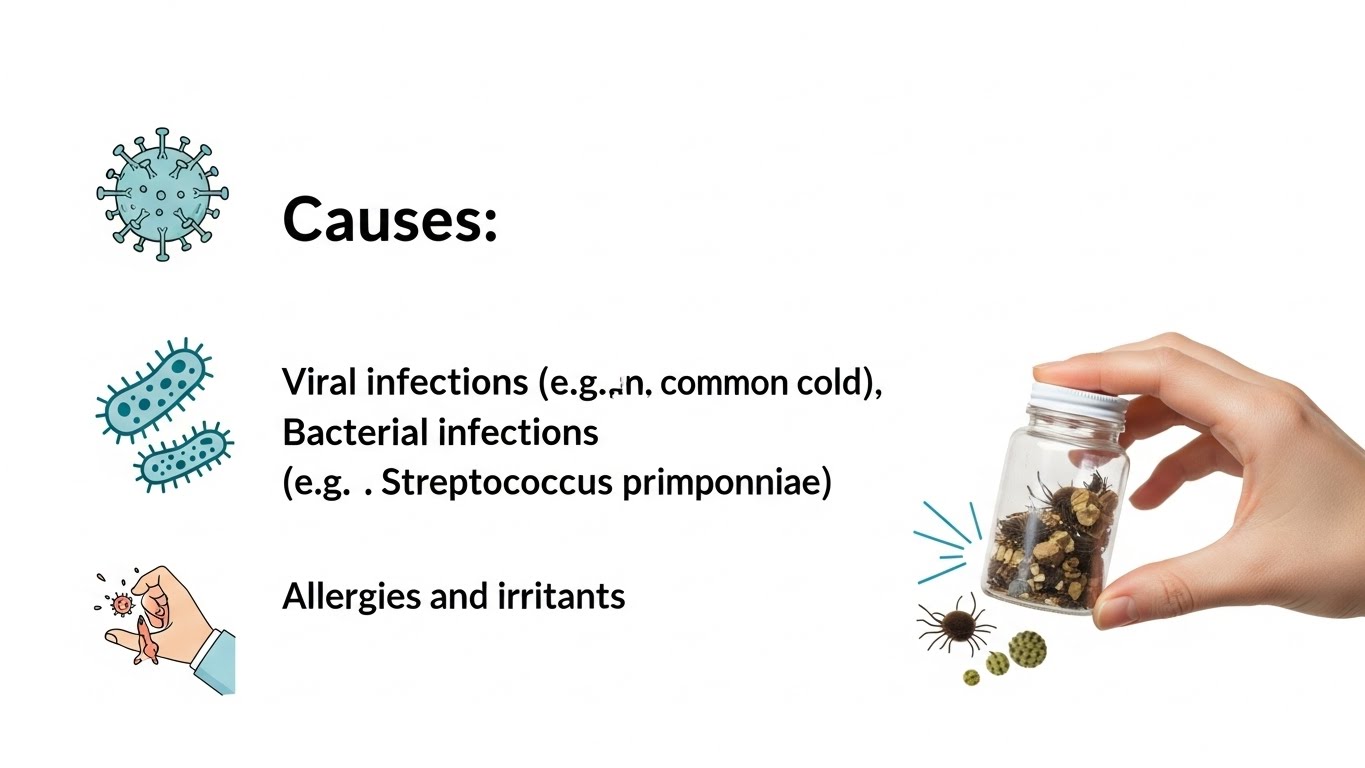
Adenoiditis primarily arises from infections. Bacterial and viral invaders often target the adenoids, leading to inflammation. Common culprits include colds, flu, and other respiratory infections.
Allergies can also play a significant role. When allergens irritate the nasal passages, they may cause the adenoids to swell in response.
Environmental factors contribute as well. Exposure to secondhand smoke or pollution can influence adenoid health negatively.
In some cases, genetic predispositions come into play. Children with a family history of frequent ear or throat infections might be more susceptible to developing adenoiditis.
Understanding these causes helps in taking preventive measures and seeking timely treatment for those affected by this condition.
Symptoms of Adenoiditis
Adenoiditis often presents a mix of noticeable symptoms that can affect daily life. Children are commonly affected, and their discomfort can be quite distressing.
One key symptom is nasal congestion, which may lead to difficulty breathing through the nose. This can result in snoring or even sleep disturbances as the child struggles for air at night.
Persistent sore throat is another hallmark sign. It usually accompanies other upper respiratory infections, making it hard to pinpoint just adenoid issues.
Additionally, frequent ear infections might occur due to blocked eustachian tubes. This can cause pain and temporary hearing loss if not addressed promptly.
Fever and bad breath are also potential indicators. The inflamed tissue produces bacteria that contribute to unpleasant odors in the mouth.
Recognizing these signs early on is crucial for seeking appropriate treatment and alleviating discomfort effectively.
Diagnosis and Treatment Options
Diagnosing adenoiditis typically involves a thorough examination by a healthcare professional. They may use endoscopy to visualize the adenoids directly. This procedure allows for a clearer view and helps identify any swelling or infection.
Imaging tests like X-rays can also be helpful, particularly if the doctor suspects complications related to enlarged adenoids. Blood tests might be conducted to rule out other infections or health issues.
When it comes to treatment, options vary depending on severity. Mild cases often respond well to at-home care such as rest and hydration. Over-the-counter pain relievers can alleviate discomfort too.
For more persistent issues, antibiotics might be prescribed if bacterial infection is suspected. In severe cases or when breathing difficulties arise, surgical removal of the adenoids may be recommended for long-term relief and improved quality of life.
Prevention Tips
Preventing adenoid issues is crucial for maintaining overall health, especially in children. A robust immune system can help ward off infections that lead to adenoid enlargement.
Encouraging proper hand hygiene plays a vital role. Teach kids to wash their hands frequently and avoid touching their faces unnecessarily. This simple habit can limit the spread of germs.
Additionally, keeping your child’s environment clean helps minimize allergens and irritants. Regularly vacuuming and dusting reduces exposure to potential triggers that may cause inflammation.
Maintaining a healthy diet rich in vitamins and minerals also strengthens immunity. Foods high in antioxidants can be particularly beneficial. Consider incorporating fruits, vegetables, nuts, and seeds into daily meals.
Ensure routine check-ups with healthcare providers are scheduled regularly. Monitoring respiratory health early on can prevent complications related to adenoids down the line.
Home Remedies for Adenoiditis
Home remedies can provide relief from the discomfort of adenoiditis. One effective approach is steam inhalation. Breathing in warm, moist air helps soothe swollen tissues and clears nasal passages.
Saltwater gargles are another simple remedy. Mixing salt with warm water can reduce throat inflammation and promote healing. Encourage children to try this twice a day for best results.
Honey is known for its natural antibacterial properties. Adding it to herbal teas or giving a spoonful directly can ease throat irritation and boost immunity.
Staying hydrated is crucial as well. Drinking plenty of fluids helps thin mucus, making it easier to expel and reducing congestion.
Elevating the head during sleep may help improve breathing at night, providing a more restful slumber despite any ongoing symptoms of adenoiditis.
Conclusion
Adenoidid can be a troublesome issue, particularly for children. Understanding what they are and how they can affect health is essential. The causes of adenoiditis often stem from infections, allergies, or environmental factors that irritate the tissues. Recognizing the symptoms early on—such as difficulty breathing through the nose, snoring, and frequent ear infections—can lead to prompt diagnosis and appropriate treatment.
Various treatment options exist for managing adenoid inflammation. From antibiotics to surgical removal in severe cases, addressing adenoiditis effectively improves overall well-being. Preventive measures like proper hygiene practices help reduce the risk of developing this condition.
Home remedies may also provide comfort during episodes of discomfort associated with enlarged adenoids. Warm compresses and steam inhalation can ease nasal congestion while promoting better airflow.
By staying informed about adenoidid and its implications on health, individuals can take proactive steps towards maintaining optimal respiratory function and general wellness.
About the Author