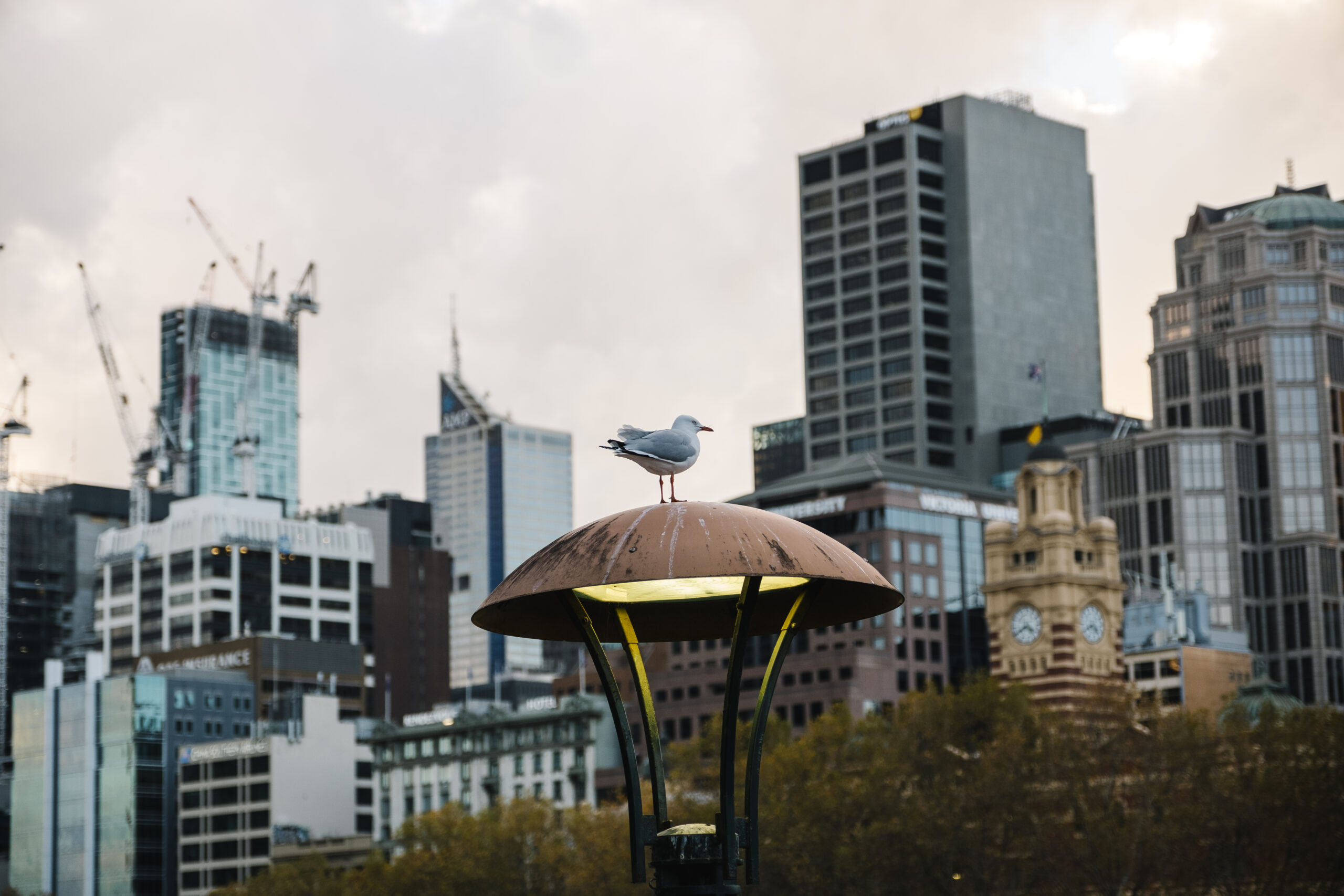
Cities have always been the heartbeat of human civilization. From the bustling streets of ancient Rome to today’s megacities, urban environments shape culture, economy, and human interaction. Yet as cities grow larger and more complex, challenges like pollution, overcrowding, and declining quality of life have become unavoidable. Enter Axurbain — a forward-looking vision that seeks to redesign urban spaces around three core principles: smart technology, green environments, and thriving communities.
What Makes Axurbain Different?
Unlike traditional urban planning, which often prioritizes expansion and infrastructure over human well-being, Axurbain is about balance. It aims to create urban centers where progress is measured not only in skyscrapers and GDP but also in happiness, health, and sustainability.
Axurbain emphasizes three pillars:
-
Technology that works for people – integrated digital systems that make life easier.
-
Green spaces as essentials – nature woven into the fabric of the city.
-
Communities at the center – neighborhoods designed for social connection and belonging.
This model views the city not as a machine to be optimized but as a living ecosystem where people, technology, and nature coexist.
Smart Technology for Seamless Living
One of Axurbain’s most exciting features is its use of smart technologies to enhance everyday life. In this vision, technology doesn’t overwhelm or isolate people — it empowers them.
-
Smart transportation systems reduce congestion with AI-driven traffic lights, autonomous shuttles, and efficient bike or car-sharing options.
-
Energy management tools such as smart grids and solar-powered infrastructure keep cities eco-friendly while lowering costs.
-
Digital participation platforms allow citizens to vote on local projects, report issues instantly, and engage directly with local governance.
-
Healthcare and safety networks use sensors and connected devices to improve emergency response, predict risks, and ensure public safety.
This creates an environment where technology blends seamlessly into the urban fabric, invisible yet indispensable.
Green Spaces as Urban Essentials
In Axurbain, greenery isn’t an afterthought; it is part of the city’s core design. Parks, community gardens, rooftop farms, and urban forests serve as lifelines, balancing the concrete with nature’s restorative power.
Green design offers multiple benefits:
-
Environmental health: vegetation absorbs carbon emissions, cools urban heat islands, and improves air quality.
-
Mental and physical well-being: access to green areas reduces stress, encourages exercise, and supports healthier lifestyles.
-
Resilience: rain gardens and green roofs help manage stormwater and prevent flooding.
The vision is that every resident lives within walking distance of a meaningful green space — a principle proven to improve overall quality of life.
Communities Built for Happiness
At the heart of Axurbain is a focus on people’s happiness. Instead of designing for cars or corporations, the city is planned around its communities.
-
Walkable neighborhoods with mixed-use spaces encourage face-to-face interaction.
-
Cultural hubs like libraries, theaters, and art spaces foster creativity and shared identity.
-
Inclusive design ensures accessibility for all, from children and the elderly to people with disabilities.
-
Community-driven initiatives empower residents to co-create public spaces, strengthening ownership and belonging.
This human-centered approach makes social connection as important as roads or utilities — a profound shift in how we think about urban life.
Why Axurbain Matters Now
The concept of Axurbain is not just futuristic idealism; it’s a response to urgent global challenges. Climate change, rising urban populations, and mental health crises demand innovative solutions. By combining eco-conscious design, digital intelligence, and social well-being, Axurbain offers a practical framework for resilient, sustainable cities.
Governments, urban planners, and private developers are increasingly recognizing that sustainable, people-friendly design is not optional — it’s essential. Models like Axurbain point the way toward urban living that is not only livable but truly fulfilling.
A Vision of Tomorrow’s City
Imagine waking up in an Axurbain-inspired city:
-
You step out onto a tree-lined street where the air feels fresh, despite being in the heart of the city.
-
Your commute is quick and stress-free, thanks to an AI-powered public transit system.
-
Workspaces and cultural centers are within walking distance, blending convenience with vibrancy.
-
In the evening, you gather with neighbors in a local park, where smart lighting creates a safe, inviting atmosphere.
This is not science fiction — it’s a blueprint for cities of the future that prioritize both human joy and planetary health.
Challenges Ahead
While the promise of Axurbain is compelling, making it reality won’t be simple. Challenges include:
-
Funding and investment: sustainable technology and infrastructure require significant upfront costs.
-
Policy alignment: governments must coordinate across sectors and ensure inclusivity.
-
Data privacy concerns: as technology grows smarter, safeguards must protect personal freedoms.
-
Cultural adaptation: residents and policymakers alike must embrace change, which can be slow in traditional systems.
These hurdles don’t diminish the vision — they highlight the need for collaboration among governments, businesses, and citizens.
Conclusion:
Axurbain represents more than just an idea; it’s a call to action for rethinking how we build and live in cities. By blending smart innovation, natural environments, and community well-being, Axurbain proposes a future where cities are not only centers of commerce but also spaces that nurture joy, health, and belonging.
The real measure of success in urban planning may no longer be skyscraper height or GDP contribution. Instead, it may be how happy, healthy, and connected people feel while living there. That is the promise of Axurbain — and why its vision could shape the next chapter of urban history.
About the Author