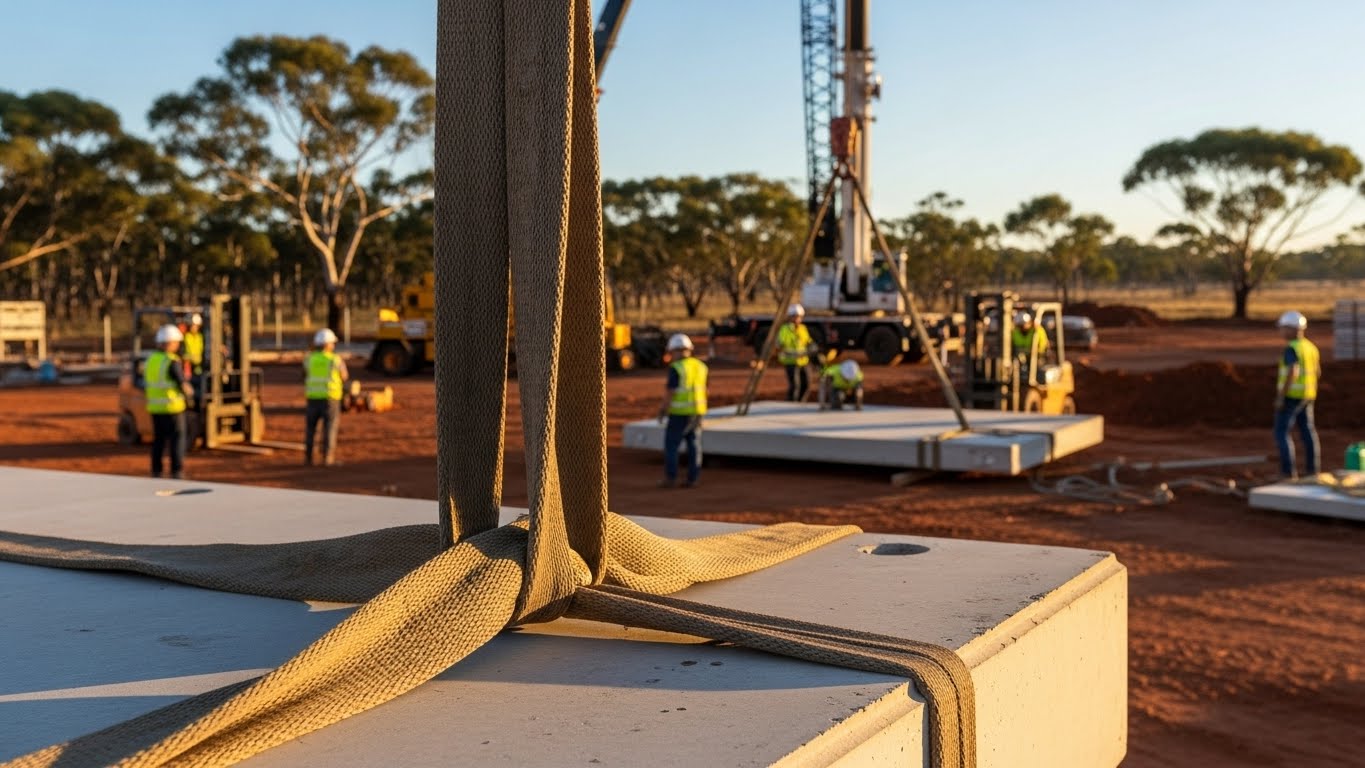
There’s something oddly comforting about walking past a busy Australian worksite and seeing everything… well, working. Machines humming. Crews pacing around with that mix of focus and casual chatter. Loads going up and down like it’s all simple physics. But talk to anyone who’s handled lifting gear for a while, and they’ll tell you the truth. None of it works smoothly without the most underrated bit of gear out there—the humble General Purpose Sling.
Yep. The thing most people overlook. The thing that sits in a toolbox or hangs on a rack, looking almost too ordinary to be important. And yet, whether you’re in construction, transport, mining, or manufacturing, a General Purpose Sling is often the difference between a job done safely and a job gone sideways.
So let’s wander through it. Not a stiff technical lecture. Just an honest look at why this gear matters more than we admit.
The Sling That Fits In Almost Anywhere
Australia’s worksites aren’t exactly gentle. Heat. Dust. Salt air. Random weather mood swings. Different materials every few hours. That’s why a General Purpose Sling has become the go-to for crews who just need something reliable without jumping through hoops.
People like the versatility. One hour you’re lifting pallets of steel, the next it’s machinery parts, and by afternoon, maybe it’s something bulky and awkward. A decent General Purpose Sling just… adapts. No fuss. No drama.
There’s a weird comfort in that, like having a mate who doesn’t overthink things. Just shows up and gets the job done.
Why Safety People Never Stop Talking About Inspections
Here’s the thing, many new workers don’t realise. A sling doesn’t fail suddenly. It whispers first. Frayed stitching. Stretched webbing. Bent metal fittings. A bit of grit rubbed into the fibres. The tiny warnings that only show up when you’re paying attention.
That’s why Australian safety standards don’t mess around. AS 4497 and AS 1353. You’ve probably heard someone mutter about them in the shed. They exist because a General Purpose Sling is only as good as its condition, and one overlooked flaw can become a real problem fast.
And most worksites? They’re chaotic. Tools get tossed into utes. Gear gets wet. Someone forgets to hang something properly. It’s human. That’s why inspections become the backbone of using a General Purpose Sling safely. A quick once-over before lifting. A proper check every so often. A professional test when something feels off.
The sling doesn’t need pampering—just a bit of respect.
Different Industries, Same Dependable Sling
It’s kind of funny how the same piece of gear ends up in so many different Australian workplaces.
In construction, a General Purpose Sling is basically the quiet workhorse handling beams, formwork, sheet materials, you name it. On mine sites, you’ll see them coated with a fine layer of dust but still pushing through brutal loads day after day. Transport yards rely on them for securing heavy freight. Manufacturing plants use them when shifting machinery pieces or materials across the floor.
Different industries, different pressures. But the tool remains familiar. Recognisable. It’s one of the few lifting items that feels universal, even when the job completely changes shape.
Maybe that’s why people trust it. Tools that adapt usually stick around for the long haul.
Too Many Crews Make the Same Mistakes
If you’ve been around lifting for a while, you’ve probably watched someone do a questionable lift and had that sinking feeling. Maybe they used the wrong angle—or overloaded something. Or twisted the sling without realising. We’ve all seen it happen.
A General Purpose Sling is tough, but it’s not indestructible. And for some reason, it’s often the tool that gets misused simply because people think it can take anything.
Little mistakes pile up. Over-tight angles. Sharp edges with no protection. Leaving the sling out in the sun and rain and dragging it on the ground. Things like that shorten the lifespan of a General Purpose Sling, even if the damage isn’t apparent right away.
Sometimes it’s not even negligence. Just busy days and rushed lifts. Which is why training matters. And reminders matter. And having someone on the team who knows the difference between a safe lift and a risky one definitely matters.
High Quality Doesn’t Equal High Fussiness
One thing worth clearing up. Buying a better sling doesn’t mean you’re buying something delicate. A professional-grade General Purpose Sling is built to work and built to handle real Australian jobs, not pampered warehouse conditions.
People sometimes assume higher quality equals more maintenance, but honestly, it’s the opposite. A strong, well-made General Purpose Sling lasts longer, tolerates heavier workloads, and copes better with daily handling. You’re not babysitting it. You’re just getting more value over time.
Businesses love longevity. Workers love reliability. Accountants love not having to replace gear every few months. Everybody wins.
How To Pick a Sling Provider Without Overthinking It
This part sounds like it should be complicated, but it isn’t. When choosing a supplier or inspection service for your General Purpose Sling, think about three things.
Experience. Certification. Support.
Real experience means they’ve seen enough lifting gear to know what’s legit and what’s questionable. Certification keeps you compliant with Australian standards. And support well that’s the part most people forget. You want someone who answers the phone when you’re not sure about a lift. Someone who can test, tag, repair or give straight advice.
A General Purpose Sling isn’t a luxury. It’s basic site gear. But buying from the right people? That’s what keeps it safe.
The Sling That’s Quietly Evolving
For something so simple, slings are catching up with technology. RFID tags. Better synthetic fibres. More traceability. Easier records. Imagine scanning a sling on-site and instantly knowing its full inspection history. That’s where things are heading.
And that means a General Purpose Sling won’t just be a tool anymore. It’ll be traceable. Accountable. Smarter. Worksites love efficiencies like that.
Final Thoughts Before You Head Back To Work
If there’s one thing to remember, it’s this. A General Purpose Sling from CHS Healthcare might look unremarkable compared to the big machines and heavy rigging gear around it. But it holds everything together. Literally.
It’s the tool workers reach for without thinking. The one that’s always nearby. The one that quietly carries more responsibility than it ever gets credit for.
Which makes it worth understanding. And maintaining, and choosing carefully.
Because the simplest tools are usually the ones that matter most.
About the Author