If you’ve ever watched a community nurse walk into someone’s home, you’ll notice something subtle. A kind of calm that follows them in, like they’re carrying an invisible toolkit. Not just medical gear, but reassurance, clarity, and that rare combination of warmth and professionalism. That feeling sits at the heart of NDIS Community Nursing, although most people don’t talk about it that way. They focus on tasks, funding, and reports—the technical side. But the whole picture stretches much wider.
NDIS Community Nursing isn’t just a box on a plan. It’s one of the few supports that genuinely touches both health and daily life. And honestly, when you see how it works on the ground, you realise how much it shapes a person’s sense of safety at home.
Let’s walk through it. Slowly. Like you’re stepping into a participant’s day.
The Familiar Knock
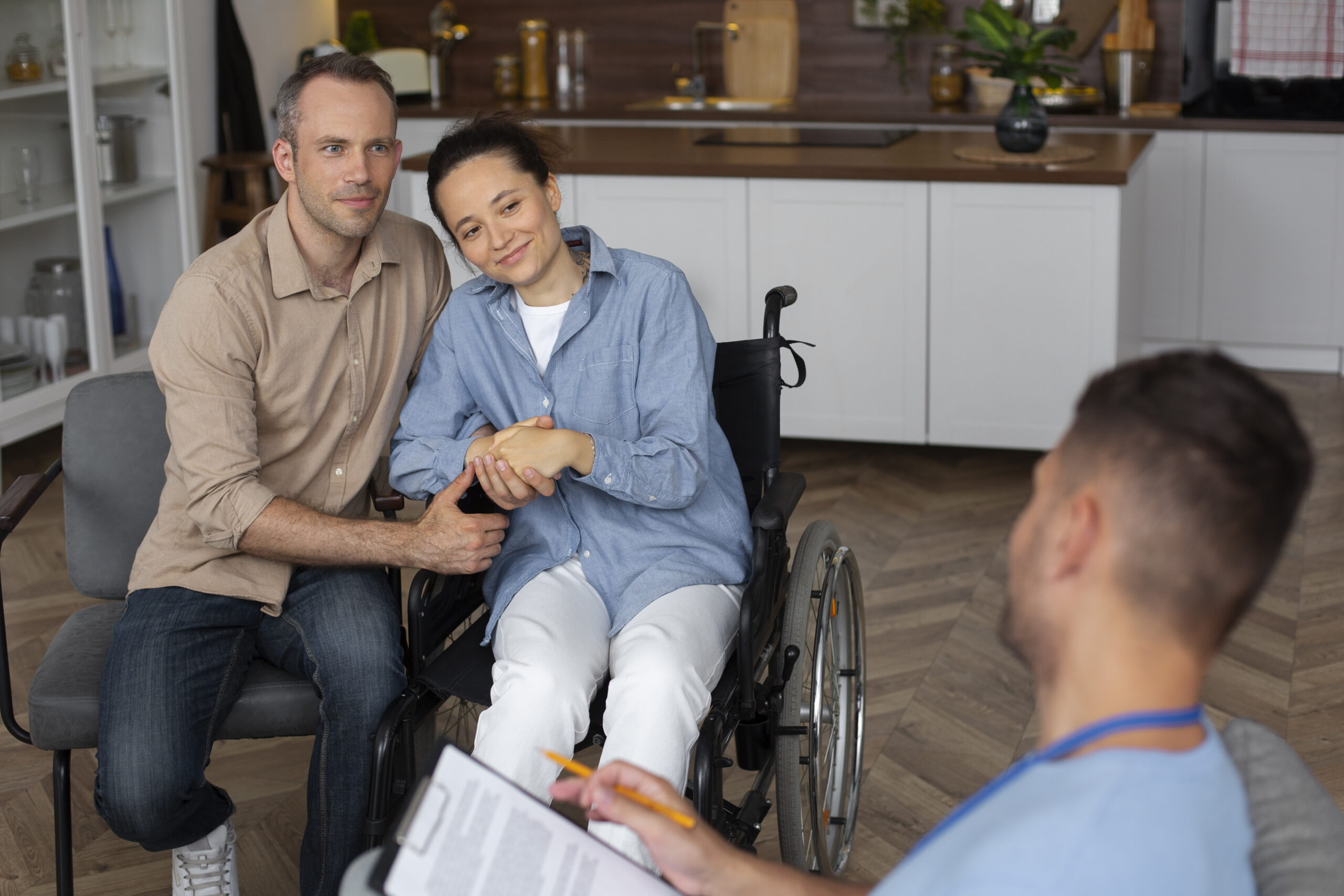
Most participants know the sound of their nurse arriving. There’s comfort in it. A small routine that breaks up long weeks of medical appointments or chronic pain. Some people see the same nurse for months, so the relationship grows in small, natural ways.
And that’s the thing. NDIS Community Nursing is personal. It always has been. A lot of the technical info gets lost in translation when people try to explain it online, but the reality is simpler. Nurses show up where people live. They check wounds, manage medications, and monitor symptoms. But they also notice the small stuff. The half-finished breakfast. The extra swelling in someone’s legs. The nervousness that says something isn’t quite right.
This is why NDIS Community Nursing matters. It’s not a rushed clinic visit. It’s healthcare woven into a person’s typical day.
What Actually Happens During A Visit
People often imagine a nurse comes in, does one task, and leaves. Quick and clinical. Not really how it works in community settings, there’s a rhythm to the visit—a gentle flow.
Sometimes the most significant value comes from a conversation that starts with something simple. How have you been sleeping? Has that new medication felt any different? Are you still getting dizzy in the mornings? These small chats help nurses catch early signs of bigger issues.
NDIS Community Nursing also covers the bigger clinical supports. Wound care. Diabetes management. Pressure injury prevention. Continence support. Tube feeding. Catheter care. Post-hospital monitoring. And the list rolls on.
And because it happens at home, people feel more honest about what’s going on. You can’t hide clutter or missed medication doses when you’re in your own space. That honesty helps nurses give better care. It also prevents hospital stays, which is one of the significant benefits of NDIS Community Nursing.
A Real Shift For Families
Families tend to relax a bit once community nursing starts. Some call it breathing room. Others call it sanity. Healthcare can be overwhelming when you’re not medically trained, and suddenly having someone tell you what’s normal, what’s not, and what needs urgent attention… well, it changes things.
NDIS Community Nursing supports families, too. Quietly. By teaching them small skills. By showing them how to do wound dressings correctly. Or helping them understand medication schedules. Or even reminding them that things will be okay. It sounds simple, but this support structure is what keeps households steady.
I’ve seen families go from constant emergency mode to feeling capable again just because a nurse walked in a few times a week and made everything feel manageable.
Nurses Notice Things That Others Miss
This is one of the underrated strengths of NDIS Community Nursing. Nurses are trained to pick up patterns. An unusual smell at a wound site. A change in breathing rhythm. New confusion or agitation. A shift in appetite. And sometimes the warning sign is something tiny, like the way someone avoids standing up from their chair.
These little clues help catch infections early. They prevent pressure injuries from worsening. They stop medication mistakes before they turn dangerous. When people say NDIS Community Nursing reduces hospital visits, they’re not exaggerating. It really does.
Support Coordinators Rely On Nurses More Than You’d Think
Support coordinators often talk about how community nursing takes pressure off them, too. A good nursing assessment gives them the documentation they need for plan reviews. And because nurses write clinical reports, they can explain risks in a way that helps planners understand the need for specific supports.
NDIS Community Nursing assessments can cover continence needs, wound severity, risk of deterioration, and overall clinical stability. These reports can be life-changing for participants who need ongoing funding.
Building Confidence In The Little Moments
What strikes me most about NDIS Community Nursing is how it builds confidence in small, everyday ways—a participant learning to check their blood sugar without fear. Someone has finally understood their medication. Another person feeling brave enough to ask questions about their health after years of feeling dismissed.
These moments matter. Sometimes they matter more than the clinical tasks themselves.
The Future Of Community Nursing
There’s a quiet shift happening. More telehealth check-ins. More digital monitoring tools. More collaboration with support workers and allied health. But the core of NDIS Community Nursing will always be the same. Real people visiting real homes. Real care.
Even as technology grows, the human part will keep carrying the weight. You can’t replace the instinct of a nurse who notices something isn’t right before anyone else does.
Final Thought
If you strip away the jargon, the codes, the line items, NDIS Community Nursing is simply this. Skilled healthcare delivered in a place where people feel safe. Wrapped in understanding. Powered by experience. Grounded in relationships that form slowly. Honestly. With trust.
And this quiet, steady service is one of the reasons so many Australians can keep living at home with dignity.
NDIS Community Nursing from Aeon Disability Services doesn’t make headlines, but it shapes lives every day. Sometimes in life-changing ways. Sometimes in small, easy-to-miss moments. But always with purpose.
About the Author