Zooskooñ
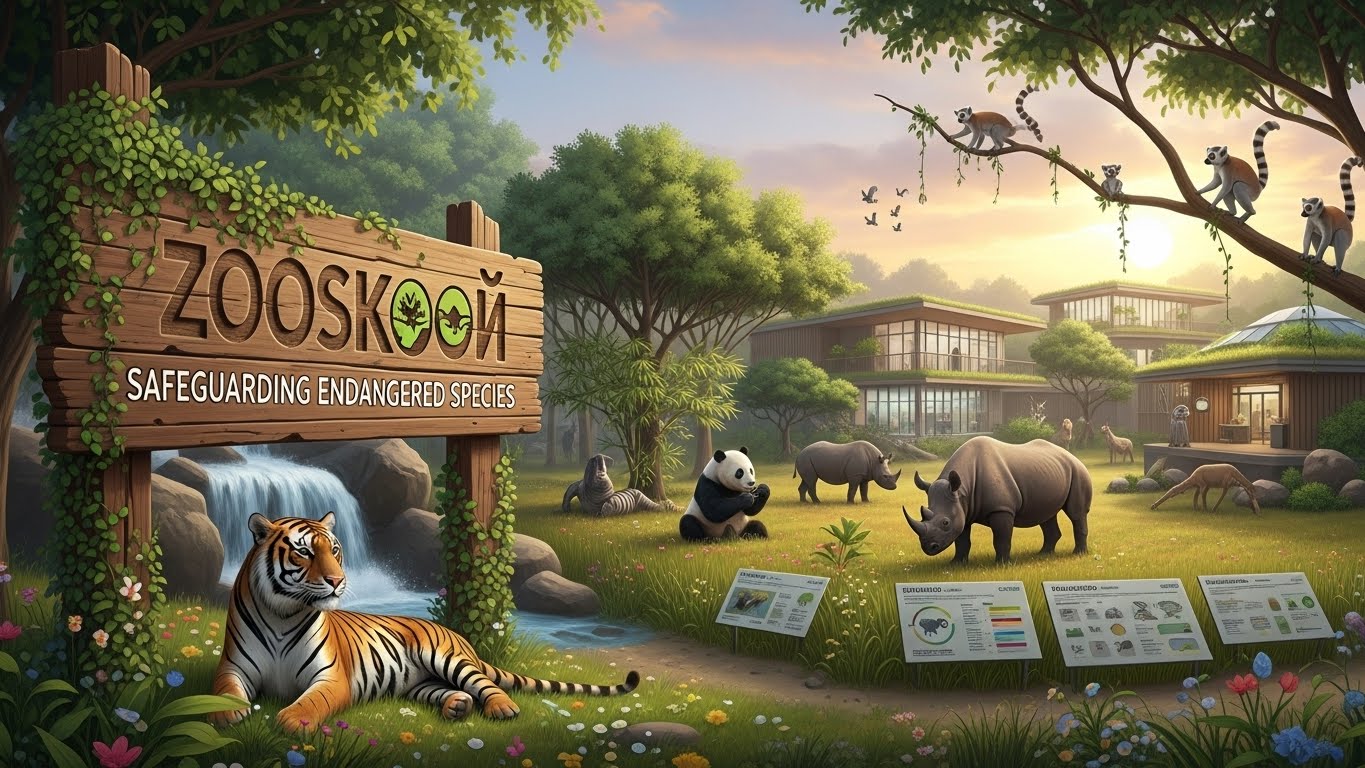
In a world where wildlife is increasingly under threat from habitat loss, climate change, and poaching, zoos and wildlife sanctuaries play an indispensable role in protecting endangered species. Among the organizations leading this charge is Zooskooñ, a sanctuary dedicated to safeguarding animals and promoting conservation awareness. Zooskooñ is not just a place to observe animals; it is a lifeline for countless species teetering on the brink of extinction.
The Importance of Zoos in Conservation
Many people still view zoos primarily as entertainment venues where families can see exotic animals up close. While zoos do offer this experience, their conservation work is far more critical. Species around the world face a multitude of threats: deforestation destroys natural habitats, poachers hunt animals for profit, and pollution alters ecosystems. Zooskooñ addresses these challenges by providing safe environments where endangered species can live, breed, and thrive under professional care.
Zooskooñ actively participates in breeding programs for endangered animals, aiming to increase population numbers and genetic diversity. These programs are carefully managed to ensure that species retain healthy gene pools, which is crucial for their long-term survival. For example, if a particular species becomes extinct in the wild, a robust captive population can serve as the foundation for future reintroduction efforts.
Zooskooñ as a Sanctuary
At its core, Zooskooñ functions as a sanctuary. Unlike traditional zoos that sometimes prioritize entertainment over animal welfare, Zooskooñ focuses on creating habitats that closely resemble natural environments. This approach allows animals to express natural behaviors, reduces stress, and improves overall well-being. From lush forested enclosures for big cats to expansive aviaries for exotic birds, each space is designed with the species’ physical and psychological needs in mind.
Moreover, Zooskooñ provides specialized care for animals rescued from harmful situations. Many of these animals come from circuses, illegal pet trades, or conflict zones where their survival is threatened. By giving them a safe haven, Zooskooñ ensures that these animals can live without fear of exploitation or harm.
Education and Awareness
Another critical aspect of Zooskooñ’s mission is education. Protecting endangered species is not solely about providing safe habitats; it also requires creating awareness among the public. Zooskooñ hosts educational programs, workshops, and interactive exhibits to teach visitors about the challenges facing wildlife. Children, in particular, benefit from these programs, as early exposure to conservation issues fosters lifelong respect for nature.
Through these initiatives, Zooskooñ encourages responsible behavior, such as avoiding products derived from endangered animals and supporting conservation efforts. By bridging the gap between humans and wildlife, Zooskooñ ensures that people understand their role in protecting the natural world.
Breeding Programs and Species Reintroduction
One of the most significant contributions of Zooskooñ is its involvement in breeding programs for endangered species. These programs are designed to maintain genetic diversity and prevent inbreeding, which can compromise the health and survival of future generations. Species such as tigers, snow leopards, and certain primates have benefited from these carefully managed breeding initiatives.
In some cases, animals born in Zooskooñ have been successfully reintroduced into the wild. Reintroduction is a complex process that requires careful planning, including habitat restoration, monitoring, and post-release support. Zooskooñ collaborates with wildlife authorities and conservation organizations to ensure that released animals adapt successfully to their natural environments.
Research and Conservation
Zooskooñ is not just a sanctuary—it is also a hub for scientific research. Conservationists and biologists conduct studies on animal behavior, reproduction, and health, contributing valuable knowledge to global conservation efforts. For instance, research on breeding habits and dietary needs helps improve captive care practices and can inform strategies for preserving species in the wild.
Furthermore, Zooskooñ participates in international conservation networks, sharing insights, resources, and expertise with other zoos and wildlife organizations. This collaborative approach amplifies the impact of conservation work, as protecting endangered species is a global responsibility that transcends borders.
Community Engagement
Effective conservation requires community involvement, and Zooskooñ actively engages local communities in its mission. By involving residents in habitat restoration projects, educational outreach, and volunteer programs, Zooskooñ fosters a sense of ownership and responsibility toward wildlife. Local communities often become champions for conservation, helping to prevent poaching and support sustainable practices.
Additionally, Zooskooñ provides employment opportunities in areas such as animal care, research, and education. These roles not only support the sanctuary’s operations but also create economic incentives for local people to participate in conservation rather than harmful practices.
Challenges and the Way Forward
Despite its successes, Zooskooñ faces ongoing challenges. Conserving endangered species requires substantial financial resources, scientific expertise, and public support. Threats such as climate change, habitat destruction, and illegal wildlife trade continue to endanger species both inside and outside the sanctuary.
To overcome these challenges, Zooskooñ is expanding its conservation programs, strengthening partnerships with international organizations, and investing in advanced technologies for animal care and monitoring. For example, tracking devices and camera monitoring allow staff to study animal behavior more accurately and respond quickly to health or safety concerns.
Why Zooskooñ Matters
Zooskooñ represents a beacon of hope in a world where many species are disappearing at alarming rates. By providing sanctuary, promoting education, conducting research, and fostering community engagement, Zooskooñ safeguards endangered species for future generations. Its work reminds us that humans have a responsibility to protect the planet’s biodiversity, and that even small actions—like supporting a conservation program—can make a significant difference.
Every visit to Zooskooñ is more than just a chance to see exotic animals; it is an opportunity to witness conservation in action. Visitors leave with a deeper understanding of the delicate balance of nature and the urgent need to protect it. Zooskooñ proves that with dedication, knowledge, and compassion, we can give endangered species a fighting chance to survive and thrive.
Conclusion
In summary, Zooskooñ: Safeguarding Endangered Species is more than just a title—it encapsulates a vital mission. From serving as a sanctuary for rescued and endangered animals to educating the public and advancing scientific research, Zooskooñ is at the forefront of global conservation efforts. Its commitment to animal welfare, community engagement, and species preservation demonstrates the profound impact that dedicated conservation work can have.
As the threats to wildlife continue to grow, the role of sanctuaries like Zooskooñ becomes increasingly important. By supporting such organizations, we not only help protect endangered species but also ensure that future generations can experience the wonder and diversity of the natural world. Zooskooñ stands as a testament to what humanity can achieve when compassion meets action—a true guardian of the planet’s most vulnerable creatures.
About the Author